
A Light in the Dark
Introduction
I’ve been fascinated with both psychology and astrology since childhood. It’s interesting to look back and reflect on the different ways these two worlds have collided in my head and ignited a process of deeper self understanding. Recently, the shadows within my birth chart have stuck out to me. Being someone who tends to think in symbolism, analogies, and metaphors, I’ve taken some time to reflect on the connections.
I analyzed three personal placements during my process. The first placement being Mercury in the 8th house which was explored previously. Building on the 8th house themes, the placement of the sun is the next exploration.
Following the structure of the previous exploration, first we’ll break down the associations and symbolism via the astrological houses, planet, and sign. Then, we’ll go over general potential life patterns. Lastly, we’ll dive into various healing methods I’ve personally felt to be helpful in connection with the placement.
Throughout, there will be information applicable to both the cancer-related aspects and the general 8th house sun placement. Cancer-related information will be specified.
Table of Contents
Section 1. General Placement Breakdown
- The Symbolism of the 8th House
- The Symbolism of the Sun
- The Symbolism of Cancer, the Crab
Section 2. General Placement Patterns
- 8th House Sun Patterns
- Expanded Points
Section 3. Personal Healing Methods
- Shadow Work
- Ancestral Healing
- Spiritual, Mystical, Intuitive Practices
- Method Overlap Note
Section 4. Closing Thoughts
- Prompts for Personal Reflection
- Conclusion
Section 1. General Placement Breakdown
The Symbolism of the 8th House
The 8th house is nicknamed “the house of death,” and is associated with what we inherit as well as other peoples income. The idea of inheritance can run pretty deep, it’s interpreted as both physical inheritance as well as family cycles. We can think of it as the legacy we inherit, as well as what comes after death. This makes it feel sort of haunting and liminal, which is a strong connection to another nickname it has: the portal to the underworld.
It’s considered a house of loss, being connected to our grief, depths, shadows, and transformation. Associated with the transitions between life and death, it’s also associated with deeper spiritual knowledge, the occult, and hidden truths. Due to this, mystical experiences and magic are also related to this house. Themes of the 8th house often revolve around power dynamics and psychology. Modernly, intimacy is also associated. It’s a dark and mysterious house, somewhat like our subconscious. The planets within the 8th house of a chart are viewed as areas that have difficulty or are hidden from us.
The Symbolism of the Sun
The sun is often associated with our ego, identity, and general personality. It’s a planet of vitality and liveliness, as the sun is critical for life to exist. The placement of the sun highlights where our conscious energy goes. It symbolizes our life force, and in many ways our core individual selves. We can think of the sun as a stable, conscious aspect of our inner light or energy. It’s the focus of where and how we strive toward our life’s purpose.
The Symbolism of Cancer, the Crab
Cancer is ruled by the moon and embodies the moon’s associations with water and the emotional ebbs and flows of the tides.
Cancer is a highly sensitive, private astrological sign. It’s known to be very nostalgic, sentimental and have difficulty letting go. Similarly, Cancer is thought of as a sign aligned with tradition and memories of the past. Associated qualities include intuition, emotion, nurturing, empathy, and the home. Negative associations relate to manipulation, guilt, fragility, and moodiness.
Cancer is often thought of as the mother of the zodiac.
Section 2. General Placement Patterns
8th House Sun Life Patterns
- Interest in uncovering mysteries and hidden secrets.
- Strength in crisis.
- Clear life phases and intense transformations of identity.
- An emphasis on intense, impactful relationships.
- A sense of importance for the past. (Cancer-related)
- Complex family dynamics that shape the sense of self. (Cancer-related)
- A prevalence of both light and shadow present within the core of self.
- Battles of personhood, relating to autonomy and power dynamics.
- Difficulties with trust or vulnerability.
Expanded Point Examples
Interest in uncovering mysteries and hidden secrets
At the core of ourselves, we’re drawn to the unknown and unseen. We might be pulled to all sorts of mysterious things, from psychology to the spiritual. For us, exploring these topics can be fulfilling, like it’s a part of our personal purpose. We don’t shy away from the dark or unknown, instead being deeply interested in topics viewed as strange or uncomfortable.
The interest in understanding the mysteries of life might show up in different ways within our conscious interests and actions. It might relate to a fascination with history and the old world, or a tendency for deep research and investigation. We might also explore things like astrology, psychology, spirituality, or the occult. From our fascination with certain existential topics like death and trauma, we also see the transformations and rebirths that underly those cycles. There’s a common core trait within the different ways it could manifest. This is our tendency to shine light into the darker areas of life, illuminating what’s hidden in both the external and internal world.
This core trait can also make us naturally gifted at problem-solving, as we’re more than willing to dive deep and discover the roots of situations. We need to keep grounded though, because it can also become an obsessive need to explore hidden things. One example could be getting lost in existential dread, obsessing over the inevitability of death. When we’re in too deep, we can become buried in the roots we’re trying to uncover and end up feeling isolated. It can be like a negative polarity of our placement’s symbolism: a fire that’s been lost in the darkness. A flame that’s been smothered in the depths.
Strength in crisis
This trait is sort of like a gift and a curse, as it often comes about in correlation with our life experiences of loss and crisis. We also might have this trait from helping others through hard times. We’re no stranger to crisis and the level of strength needed to survive them. Our sense of personhood is tied to the essence of transformation. Although we tend to face more than our fair share of crises, we also rise from them again and again. The way we change from our pains carves us into a stronger, wiser, more aware version of ourselves.
Because we have an ability to face the darkness of life with resilience, our strength becomes intertwined with pain. Through our grief, loss, and traumas, we learn how to navigate the darkness and come out of it transformed. Some ways we might feel our strength and fulfillment are areas that we likely naturally gravitate toward. We might help others to heal during crisis in psychological, spiritual, or financial ways. We might even take on roles of logistics in crisis, able to see the depths of the situation and plan accordingly.
But if we aren’t careful, we can slip into a tendency to seemingly attract or create crises in our lives. In one sense, this could happen due to an unconscious magnetism with others gravitating toward us in times of crisis. But it could also become a self-created situation on our end.
Because of our familiarity with intense situations, we may feel restless or uncomfortable during periods of calm. Mentally, we also might link our struggles to our growth. While this can be true, it can become an unhealthy pattern where we feel that stable life periods are dull or lack meaning. There’s a lesson that we learn through this – we need to balance our intensity to experience peace rather than restlessness. While meaning can be found within pain and intensity, pain and intensity itself is not the core of meaning.
Clear life phases and intense transformations of identity
The stories of our lives can be thought of as a series of events that force us to grow and change. The events we face and the ways we adjust in response tends to create a set of defined, differentiated phases of life. When we look back, we can see the stark difference in who we were in one phase versus another. And digging deeper, we might be able to pinpoint the shift, often connected to a personal cataclysm followed by transformation.
These shifts can be painful as we undergo them, but they’re a part of who we are and where we’re going in life. Our most meaningful and aligned moments are our moments of overcoming and resilience. So many of our traits can feel ironic in a sense, in this example it seems that our identity itself is fluid or unstable by design. But looking past the irony, we see that our core essence seems to be highlighted and revealed through facing the dark. It’s as if our layers are peeled away to reveal a deeper truths.
In each trial and darkness we face, our choices and adaptation reveals more of who we are at our core. Personally, there are things I’ve learned and integrated that I wouldn’t have known about myself, if not for my willingness to face and truly see the shadows. Our transformations through each painful event simply uncovers more of us. It changes us, yes, but how we willingly shape ourselves through it reveals our own authenticity.
An emphasis on intense, impactful relationships.
Having experienced the depths, we hold depth and intensity within us and seek it in our close relationships. Surface-level connections can feel as though they lack authenticity or meaning. Additionally, our transformative nature can can sometimes unconsciously attract others needing transformation. As a result, we tend to get into intense, intimate relationships. We crave to be fully seen in our light and darkness, and to see others in their wholeness as well. We may have a pattern of trauma bonding in our relationships and be susceptible to abusive dynamics. Though many of our relationships can be painful, many are also lasting, loving, meaningful connections.
Our patterns might involve relationships with imbalanced power dynamics, issues with betrayal, secrets, loss, and even financial or psychological exploitation. They might also have a taboo nature, such as age gaps, workplace relationships, or in some way outside of typical norms. Sometimes we come out of past relationships with a feeling of having been bound, blindsided, or disempowered, but ultimately transformed from it.
We can slip into an all-or-nothing mindset. Generally, we desire an intense (and safe) form of connection. But the process of building healthy, safe bonds might seem dull or lacking of the depth we crave. We learn that intimacy does not have to be an intense rollercoaster in relationships, though it might be how we experienced it in our pasts. We can find balance, implementing healthy boundaries while we allow ourselves to explore our bonds. Depth in relationships can be meaningful without being all-consuming. One of our lessons is to utilize healthy relationship skills and refrain from acting hastily between the polarities of trust/intimacy and mistrust/distance.
A sense of importance regarding the past. (Cancer-related)
This sentimental Cancer trait might relate to personal memory, familial, and/or the old world. In the personal sense, it can make it incredibly difficult to keep the past where it belongs. We likely think of the experiences and pains from our origins as continual aspects of ourselves, being the things that shaped us. Sometimes we can hold on to the very things that we’ve outgrown, like we’re clutching the past to our hearts. While preserving memory is useful and even helpful, we can hold too tightly onto the past situations, dynamics, and people in our memories. This can make it difficult to fully shed old skin and undergo our transformations. It takes work, but we can honor and preserve our memory while also honoring the person we’ve become in our current lives. Memory is important, but it’s also important to recognize and embody the changes and personal transformations that came from it.
In the familial way, we might be naturally inclined to research and uncover family history. We might be deeply interested in family stories and lore during our childhood and adolescence, or feel a deep bond with older relatives. Even if we’ve become estranged from family, there’s a fascination many of us have with our family’s past. Extending further, Cancer’s association with home can manifest in a fascination with local history and folklore.
With the 8th house influence, fascination is especially relevant when it comes to family or local secrets.
We also may dig into the collective history of the old world. For some, it may have to do with researching the historical traditions and roots of our ancestors. It can also have to do with the ancient world at large, delving into cultures and religions across the world. We’re interested in the ways ancient people lived, thought, loved, and believed. Both literally and metaphorically, we’re deeply fascinated with buried things. Unearthed archaeological records and buried ancient knowledge excite and interest us. Regardless of which areas we explore, we tend to feel a sense of comfort and wholeness as we delve into the wisdom of the old world.
Complex family dynamics that shape the sense of self. (Cancer-related)
This pattern can relate to the general 8th house sun placement due to the connection with familial inheritance. But with Cancer’s strong association with family, those dynamics are intensified. Our earliest years at home during our development are ones that shape us. For more psychological depth in this area, attachment theory can be great areas to explore. Cancer’s values of family and home create complex dynamics when in the 8th house. The 8th house is associated with hidden psychological power dynamics, often resulting in difficult or traumatic situations.
We might struggle in our family lives, whether due to oppressive structures, hidden abuse, even deaths and loss in the family. We may also feel like a black sheep in our families, struggling to feel a sense of belonging even if we desire it. It’s possible that we experienced a manipulative home life, with outsiders or even those inside the family unable to recognize it.
In these situations, the childhood home and family is like a realm of hidden battles, oppression, and loss. We might feel during our upbringing that we go through periods of “losing ourselves” with the sun’s placement here.
Due to Cancer’s maternal associations, we may also find ourselves falling into a role of mothering others in our lives during childhood or adulthood. This could come about in family structures, possibly in the form of parentification. It could also show up in psychological ways within other relationships. One psychological example might involve taking on the role of emotional nurturer in relationships, even if it results in an imbalanced dynamic.
Our family and home relationships are likely to be layered, complex, and pivotal in our lives. We might’ve left harmful long-standing relationships behind. On the other end, we might’ve stood strong and nurtured relationships with those we overcame difficulty with. As we grow older, we can reflect on our origins and see the ways they shaped our sense of self. In any case, our relationships show us our reflection, and can also show us our strength.
A prevalence of both light and shadow present within the core of self.
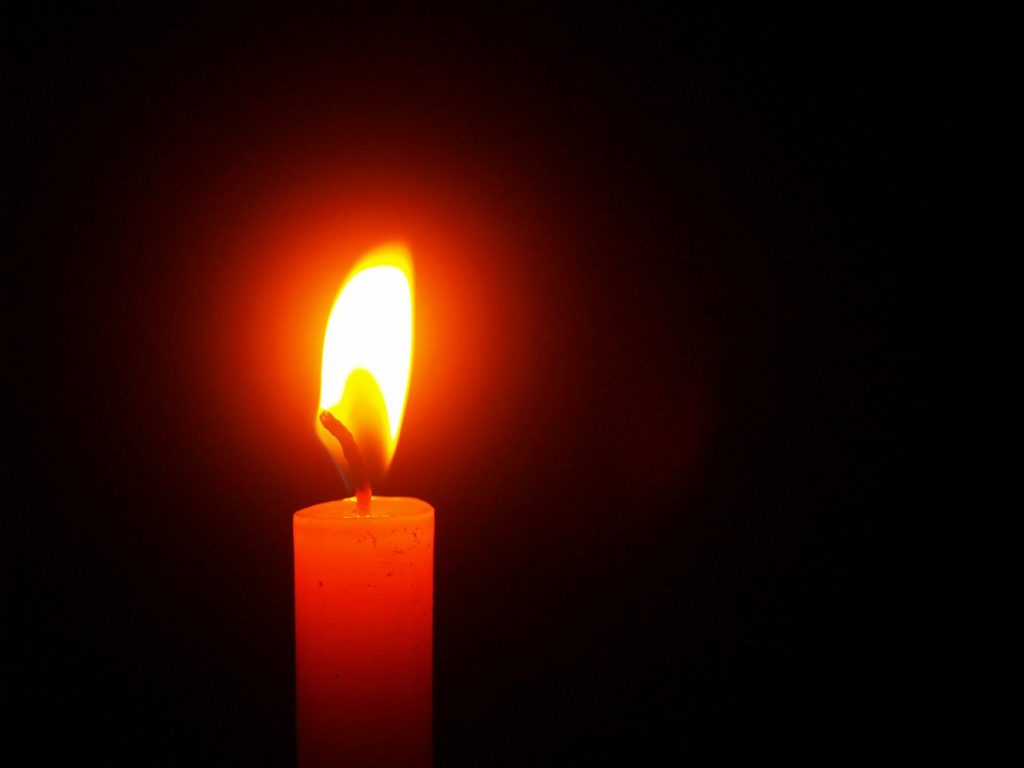
With this placement, our core is like a light in a dark place. We walk the liminal line between opposites, knowing and blending the intensities of both light and dark. Many of us find that through our periods in the dark, our light becomes brighter.
Sometimes we might fluctuate between our conscious solar energy and our shadows, experiencing both in heightened ways. It can be like a cyclical process of descending into the underworld and ascending into the daylight. These experiences contribute to our evolving sense of identity. Lighting up the dark with our conscious presence, the mysteries about who we are become clear. We usually learn that our vulnerability is a source of strength and empowerment.
Overall, we tend to be not only willing, but deeply pulled to explore our own shadows. Our sense of self craves wholeness, both in our light and darkness. As we embody the polarities of ourselves, it becomes less about good vs bad and more about authenticity.
Our embodiment of light and shadow can be received by others in a wide range of ways. We might be perceived by others as mysterious, magnetic, or even taboo and spooky. To some, we may seem confusing or overly complex. When we embody our light and shadows, we express our authenticity but ironically could be perceived as deceptive or contradictory. It seems like sometimes the personal inner world of our depths can be like a question mark to others, seen as a lack of transparency. Because some might think of us as “dark” or secretive in some way, they may suspect hidden motives and be cautious with us as a result.
Others might have the opposite view. They may perceive us as understanding the complexities of life, and strongly trust us as confidants even with their deepest secrets. To most of us, to be trusted with deeply personal things is an honor that we protect. A lot of times our depths and complexity lends us to form meaningful, vulnerable and trusting companionships.
The factor of magnetism also comes into play. We can sometimes feel like a magnet for other peoples secrets, often having strangers spill the darkest parts of their lives to us seemingly randomly. In another way, our capacity to understand others, plus the mysterious nature of our placement, might make it seem like there’s always a deeper level others can reach with us. This is definitely not the case, as we tend to be selective and likely wouldn’t want want everyone peering into our depths. We may even try to appear as boring as possible around someone with a strange magnetic fascination, but this doesn’t always work. Sometimes these scenarios can become obsessive, which could get dangerous for us. I’ve noticed this potential pattern for some of us with prominent 8th house placements (sun, moon). For those of us who have dealt with this issue, we come to another 8th house theme and lesson, boundaries. Escalated as needed, boundaries can help us out in these cases. If the issues are severe, never be afraid to seek out help. Restraining orders are also a boundary if necessary.
Battles of personhood, relating to autonomy and power dynamics.
This can tie into our sense of self, personality, and even our sense of purpose. The 8th house relates to oppression, power and control. With our vital life force placed here, it’s likely that we’ve experienced patterns relating to our own sense of self feeling oppressed or controlled. These power struggle patterns over our autonomy might take the form of psychological or financial control and manipulation. I’ve noticed a prevalence of these issues stemming from childhood, with others in positions of power utilizing techniques to restrict personal autonomy, identity, and psyche.
We tend to rise against the ways others may attempt to control or restrict our sense of self and purpose. Given that power dynamics may be in play, we sometimes have to get creative in how we maintain and protect our individual personhood. In some scenarios, we might adapt and keep aspects of the self hidden from view, maintaining our individuality internally. In others, we may fight vehemently in the face of others’ attempts to change or control our lives.
On the other end, we may even veer into controlling tendencies with others when we fear a loss of personal control. There might be a hypersensitivity that amplifies how we perceive attempts to control our core selves, resulting in what we may believe to be counter tactics. This tendency is a misplaced use of our energy. Our battle is for authenticity, personal purpose, and self. As we shape ourselves and embrace authenticity, we learn that our sense of self should not be a dominating force over others but rather a projection of our own core. The most authentic embodiment of ourselves is that which is true, both internally and in action.
Difficulties with trust or vulnerability.
As covered previously, we’ve likely experienced deeply impactful relationships and life events. This intensity tends to be a part of us, shaping us in a sense. Given the depth and intimacy we possess and crave, we seek out those things in our relationships. Deep intimacy requires vulnerability, which inevitably creates the possibility of hurt and betrayal.
There’s a bit of irony with this pattern, as the very intimacy we seek can be stifled by our own difficulty allowing ourselves to be fully vulnerable. I’ve noticed that once a relationship has gained our trust, we allow ourselves to be extremely raw and open. If that trust is violated, however, it furthers future hesitance. This is human nature, but can be much more drastic or prominent for us. We tend to be “all in” when we open ourselves up, and otherwise pretty vigilant and guarded. Sometimes it even results in quick judgment in misunderstandings, in turn depriving us of a meaningful connection that would’ve been worthy of trust.
Section 3. Personal Healing Methods
Shadow Work
Of course, our shadowy placement benefits from shadow work. When we explore our darker parts, they can become a part of our light. The darker parts of us aren’t scary when we take the time to understand them. With our sun (core light) placed in the dark, it becomes especially important to let the light of consciousness shine onto the hidden areas within us.
The sun in the 8th house is sort of a paradox, with the conscious identity of self being in a place of unconscious shadow. This dynamic can make for breakthroughs in shadow work. We can break down where our conscious energy is being exerted in comparison to our rejected parts (such as our shadow fears and desires). The transformative process that happens through shadow work could even be considered “light” work in the sense of bringing the shadows into day.
I’ve been very positively impacted by embracing shadow work and exploring my own darker or unconscious aspects. I’ve learned more about myself than I would’ve been able to otherwise. And with that self-awareness, I’ve even been able to redirect the ways my shadowy parts were functioning into a more conscious (light) way. Surprisingly, I’ve learned a ton about forgiveness and trust, both when it comes to myself and others.
Where your shadow work will take you and the lessons you learn are highly individualized. The process is one of self-discovery, it can be gentle and gradual for difficult areas. It’s all up to the individual. But I highly recommend at least looking into it. After all, how can shadows change if we don’t ever turn on the light?
Correlation to 8th House Sun:
- Interest in uncovering mysteries and hidden secrets, in this example of the self (sun).
- A prevalence of both light and shadow within the self.
- Transformation and rebirth of the self.
Ancestral Healing
Before we delve into this, I want to make a note about family. Ancestral lines, family trees and history will be mentioned, but are not the end-all-be-all. For those of us who are adopted, have no idea about our biological family, or have a bad relationship with them: this is still for you. Ideas can be customized in whatever way feels best and most authentic to you. Biological, adopted, and chosen family are all valid when honoring ancestors.
Our 8th house sun can deal with complex family dynamics, and it’s also related to things we inherit. This inheritance isn’t limited to the physical world, but can also relate to generational traumas and cycles. We’ve likely had an interest in our roots, wanting to learn about those who came before us. Whether we have a positive or negative relationship with our families, ancestral healing can be beneficial for us. And luckily, it can be done in many different ways, even personally created ones.
For some of us, simply researching our family tree and histories can be a part of our ancestral healing process. We might also visit the graves of our ancestors and bring flowers for remembrance of those who’ve passed on. We may keep old family photos on our walls or keep certain objects that were special to them in order to keep their memory alive.
When personally creating ways to remember and honor ancestors, do what feels right. For example, we might plant flowers that a loved one enjoyed during their lifetime. We might even write a letter to our ancestors, whether we think of it as a symbolic connection or one that could be received on the spiritual end.
On the other hand, we might spend time recognizing patterns in our family history and consider how those patterns might manifest in our own lives. These types of contemplations can help us to heal generational patterns, as they make them more clear to see. They also open up ways to dissect what we’ve inherited, and assert our agency in those patterns. In a psychological sense, we might also explore family systems theory to delve into how our generational patterns might function and impact us in interconnected ways.
For the more spiritually oriented, there are several ways of honoring ancestors. Even simply praying for your family line could be a spiritual practice for ancestral healing. Some other ideas can be found easily online, especially if you know of a tradition that your family line resonates with historically. However, spiritual practices can also be formed intuitively on a personal level. In this way, rituals and traditions could be created that touch on personal symbolism.
One practice that is pretty customizable is to create a special, sacred space for an ancestor altar. It doesn’t have to be an altar in the typical sense, you can work with the idea however you’d like. You can also place meaningful items there that bring you a sense of connection to your family. Some examples might be pictures, family mementos, old belongings like brooches or lighters. You also might place items to spiritually or symbolically bring nourishment to your ancestors, like fresh water, flowers, and so on. The space you create becomes a place of remembrance, honoring those who have passed, and a way to connect with ancestors.
Correlation to 8th House Sun:
- Association with inheritance, generational cycles, and legacy.
- Investigative and deep explorations, relating to the depth of the 8th house and our solar identity origins.
- (Cancer) Association with family, traditions, past, memory, and home.
Spiritual, Mystical, Intuitive Practices
At our core, we definitely lean toward the mystical, intuitive, and spiritual. Tapping into our intuition and spirituality can make us feel like we’re aligning more with our purpose. These practices are dependent on each person’s spiritual views, but can be beneficial no matter what path or belief system we operate in. Just as we crave depth within relationships, we also crave that depth in our spirit.
For some of us, this might involve studying the teachings of our religion and participating in religious traditions. A regular spiritual practice is a big help, whether it’s with daily prayer, meditation, religious services, or devotional journaling. Despite whether we follow a specific religion, we also might generally be fascinated with different religions and beliefs. I’ve found a ton of insight from learning about the religions of the world, old and new. There’s a ton of wisdom within many religious teachings. Exploring them has helped me understand the different lenses of divinity, as well as the similarities they share.
Exploring different ways to connect to divinity and our spirituality also might resonate with us. This might be through methods like meditation and spending time in nature, allowing our minds to slow down and center as we connect with the earth. It might also involve exploring ancient spiritual practices and deities, connecting us to the wisdom and truths of the old world.
We also might delve into methods of working with our body’s energy, such as through breath work, systems like yoga, reiki, balancing chakras, etc. If this is an interest, there are fascinating techniques and maps within several systems. Some examples are the meridians and points within traditional Chinese medicine, kundalini yoga and nadis in Ayurvedic medicine. Given the 8th house’s modern association with sexuality, kundalini yoga and forms of energy healing geared toward sexual healing can be beneficial as well.
Additionally, some of us might lean more toward the mystical side of things. This area is a pretty wide-spanning one given our placement’s fascination with hidden knowledge.
We might focus our intuition through different methods of divination. Approaches might vary, as some of us may use these tools as ways to connect to the spiritual realm, our own subconscious knowings, or a hybrid/relative view. Some divination practices might use tools like tarot cards, pendulums, runes, bones, or practices like scrying. Some of us might also create our own personal methods of divination.
Energy work is another area that the mystical ones among us might find use in. This was somewhat touched on with previous topics like reiki and chakra healing. Some additional areas that might lean more mystical in nature involve more new age concepts like reading auras and working with crystals.
We also might be interested in the occult, things generally thought of as taboo, or witchcraft. Diving into occult or esoteric texts might be fascinating to us and bring a different lens to our perspectives. Various magical traditions can also have this effect on us. Whether or not we practice them, they can show us a different way of seeing the interconnectedness of things. Unsurprisingly, astrology is another area of study that aligns here. I’ve found a lot more depth and meaning in my own stars than I ever would’ve thought.
Correlation to 8th House Sun:
- Interest in uncovering mysteries and hidden secrets, in this example relating to spirituality and truth.
- Association with deep spirituality, and its prevalence in the core self / life purpose.
- Tendency to have meaningful spiritual, mystical experiences.
- The sun being placed in a shadowy entryway to the spiritual realm itself lends to a personal spiritual nature.
Method Overlaps (with Mercury in the 8th House)
As a general note, many of the patterns of the 8th house sun have some overlap with Mercury in the 8th house. Most of the similarity likely comes from the aspects of Mercury’s self expression and the sun’s core selfhood. Another aspect might be within the bonus areas relating to Leo, which is ruled by the sun.
In that sense, many of the healing methods between the two can be helpful for either placement. The healing areas previously covered for Mercury in the 8th house included:
- dream work
- psychological systems
- creative self expression
Feel free to check out those healing methods as well if you’re interested (whether or not your Mercury is in the 8th house).
Section 4. Closing Thoughts
I’m glad we’ve been exploring our sun’s placement this time, because it can get dark in the 8th house. Luckily we’ve had our core of light with us as we’ve illuminated the depths. As an ending note, I’ll be adding some prompts for reflection relating to this placement. As always, feel free to use them as they are, or personalize them to yourself.
Prompts for Personal Reflection
- What patterns or cycles have you inherited? Which are you ready to heal and let go of?
- How have your origins shaped your sense of self?
- In what ways have you felt shaped by painful experiences? What is the role of pain in your life?
- Contemplate the concepts of depth and intensity. Do you relate the two? How might they differ apart from each other?
- When has falling apart shown you an inner strength you didn’t realize you had?
- What power dynamics have you noticed within your relationships?
- How do you feel about vulnerability and intimacy? Consider both fears and desires.
- What makes you feel safe to be your authentic self?
- What shadow have you avoided within yourself? What would it feel like to accept it? How could it add to your light?
- What brings you a sense of fulfillment and purpose? What is the core behind it?
Conclusion
This has been a lengthy and fun exploration into the sun in the 8th house. Hopefully, I didn’t go too -in depth- on the topic, but what’s a girl to do when being -in depth- is written into her core sense of self?
Jokes aside, I hope anyone out there reading this got something from it and felt seen in some way. The words I’ve written are far from the entirety of the placement, and even further from the entirety of a person. But it’s been a meaningful portion for me, and I hope it was for you too.
Update: links to other placements
Leave a Reply